
A YEAR LONG PHOTOGRAPHIC SURVEY OF ALASKA
FOR WILDERNESS CONSERVATION & CULTURAL PRESERVATION
The Great Alaska Project is a year long documentary and fine art photography project undertaken to create a visual record of Alaska at a critical moment of its ecological and cultural history.
A CALL TO ACTION
Spurred by the accelerating effects of climate change and the recent opening of the Arctic National Wildlife Refuge to oil explortaion, this project aims to create a sweeping body of photographs that functions both as a work of fine art and as a catalyst for wilderness conservation & Indigenous culture preservation.
-
An effect known as Arctic amplification is warming Alaska at approximately four times the global average resulting in permafrost melting, coastal villages eroding into the sea, glaciers retreating mile by mile, and the seasonal rhythms upon which both animal habitat and human community depend to shift in ways that are already irreversible.
-
The Arctic National Wildlife Refuge is one of the largest and most pristine protected landscapes in North America, spanning nearly 20 million acres of tundra, mountains, rivers, and coastal plain that sustain migratory wildlife and the traditional lifeways of Indigenous peoples while standing at the center of debates over climate change and oil development.
Recent decisions by the administration have opened vulnerable portions of ANWR to oil exploration despite decades of hard fought protection.
-
Climate change is devastating traditional Inuit ways of life in Alaska, as melting sea ice, thawing permafrost, and increasingly unpredictable weather disrupt subsistence hunting and fishing, erode coastal villages, and threaten food security and cultural identity.
“While we imagine Alaska to be rugged and infinite, in reality it is the canary in the coal mine for our planet.”
THE PROJECT
-
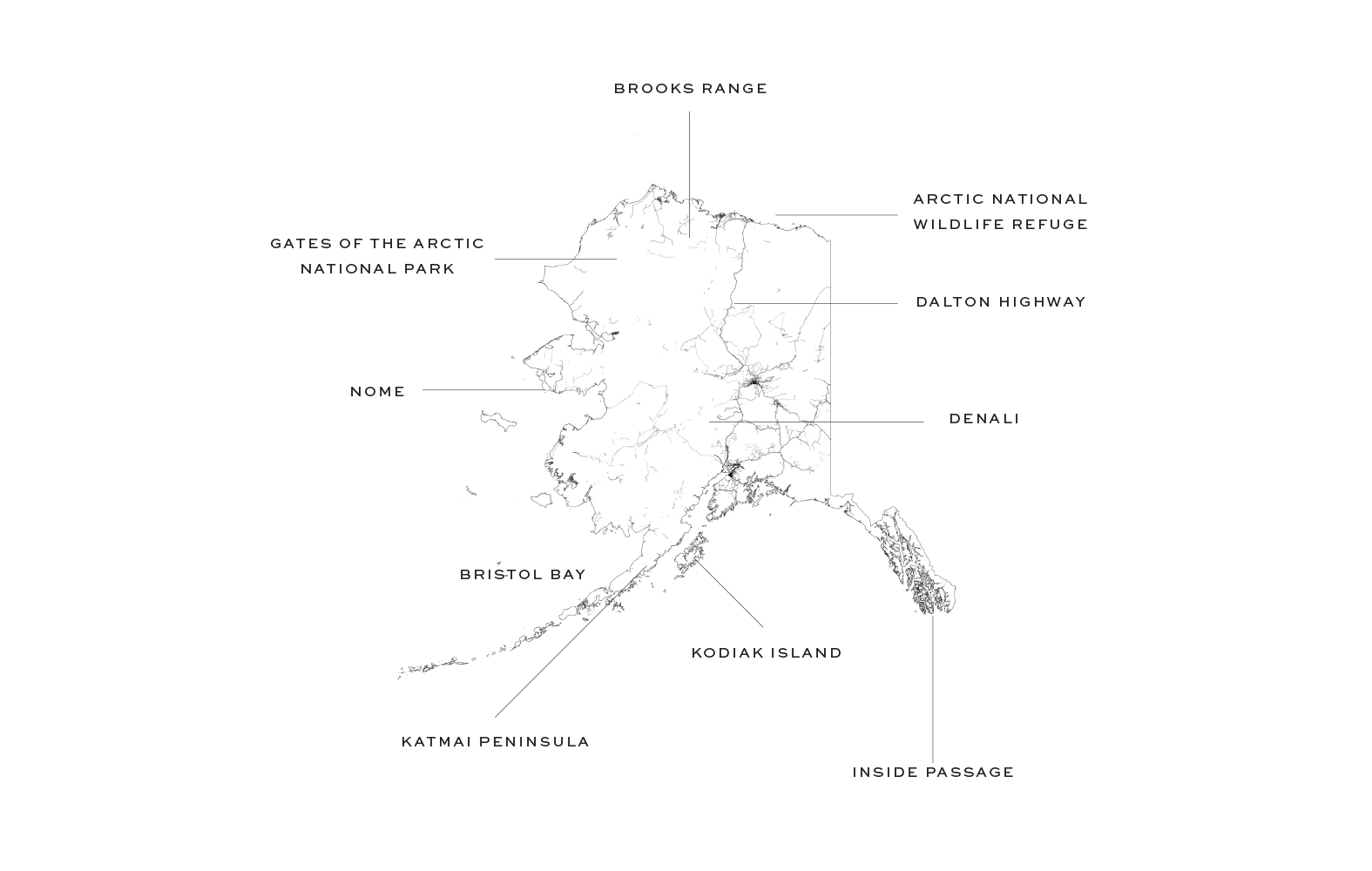
Landscape Photography in this project aims to capture the shear scale, breadth, and stunning beauty of the state ... from the mountains of the Brooks Range to the southern glacial bays to the remote tundra of the north. It will not shy away to show the industrial development and mineral extraction as both a detriment to the natural environment as well as a necessity for modern life & providing an economic lifeline.
-
Portrait Photography will be conducted using a waxed canvas backdrop transported into the field. This technique draws on the tradition of August Sander, Richard Avedon, and Irving Penn by creating a studio in the field. The backdrop signals to the subject that they are being approached with the formality and attention that portraiture demands, whether on open tundra or on a fishing dock. All photography of Indigenous subjects will be conducted with explicit permission and cultural sensitivity.
-
Still Life Photography will use the same waxed canvas backdrop to create formal studies of objects: hand-made caribou mittens; a salmon laid out invoking a Dutch master’s study; an elder’s sewing kit alongside the tools of industrial fishing. This technique equalizes the smallest details with the expansive landscape.
-
A medium format Phase One Achromatic Camera System will provide image files of unparalleled resolution and detail. With the sensor’s color filter array filter removed, only light values will be measured creating black-and-white images of a quality only achieved with large format film cameras. The prints will be able to be enlarged to mural size without loss of detail creating an engaging viewing experience.
-
The project employs an immersive, seasonal approach with four phases of field work in Alaska over the course of one year. Each phase will last a minimum of four weeks, allowing for deep engagement with locations and communities. The structure is designed to allow familiarity with the terrain in addition to granting the time to build trust & understanding necessary for in-depth documentary work.

HOW TO PARTICIPATE
From bush flights to wilderness guides and Indigenous consultants, this project will be resource intensive. What is needed are the financial resources to bring this project to life.
-
Individuals will be essential to jump start this project and let the work begin this spring. Donations can be made through this website.
-
A grant proposal with detailed budget is available.
All participants will be given regular projects updates and acknowledgement in a future book.
USING PHOTOGRAPHY TO INSPIRE CONSERVATION
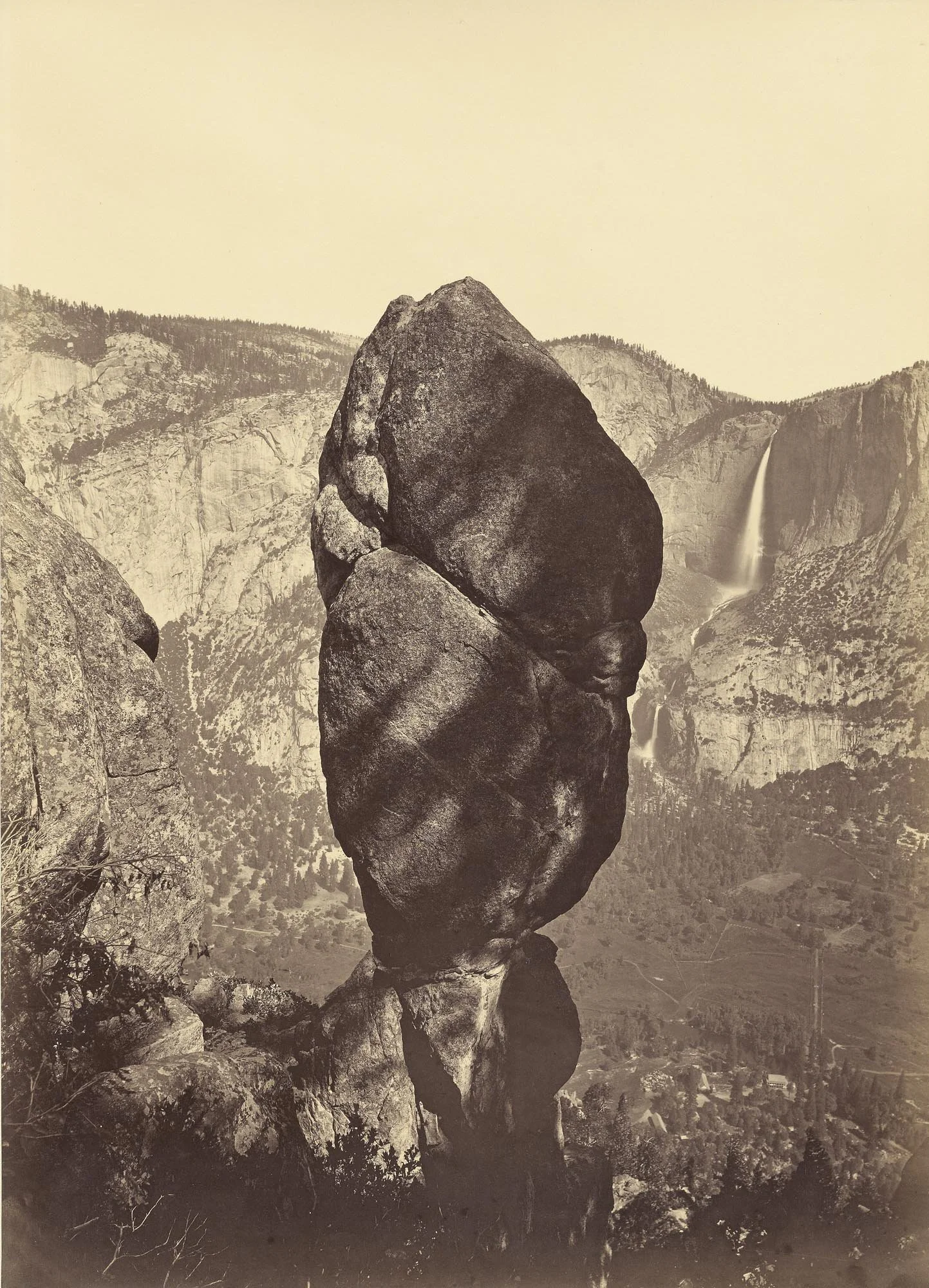
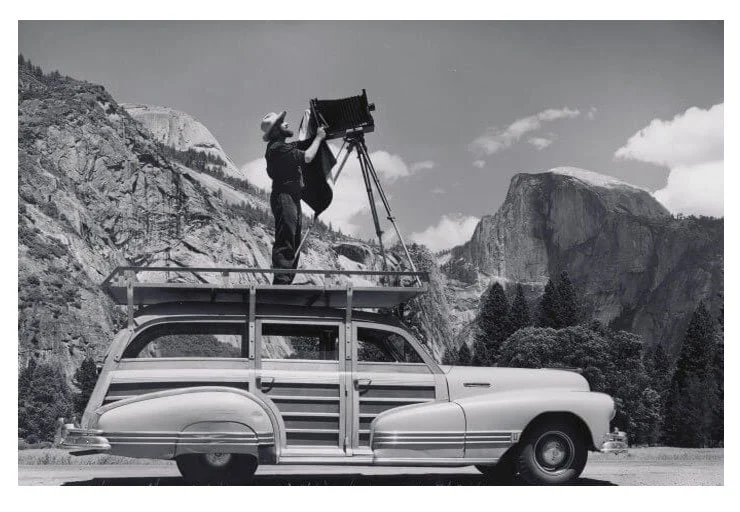
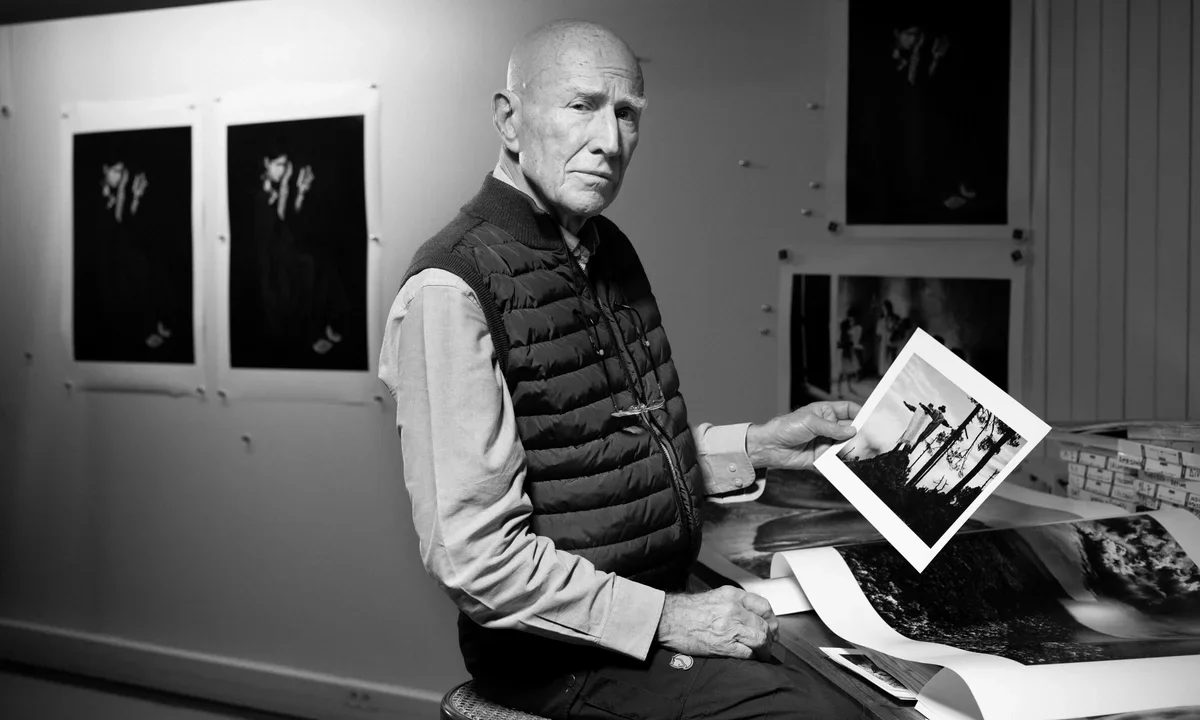
In 1861, photographer Carlton Watkins set out into the High Sierras. His photographs of towering waterfalls and the mighty Sequoia moved Abraham Lincoln to set aside Yosemite Valley and lay the foundation for a national park system. Ansel Adams continued this tradition producing photographs that were at once works of beauty as well as calls for conservation. More recently, Sebastião Salgado, after decades photographing war & human tragedy, turned his camera to the natural world for his final act, begging us to ask: how do we heal as a people, if we first do not heal our planet?
Inspired by this work, this project intends to carry on this tradition with the goal of inspiring wilderness conservation and cultural preservation by intimately portraying the land, wildlife, and people of Alaska.